Day Trips from Belfast, The Full Rundown
Here's the thing about Northern Ireland: it's tiny. Properly, brilliantly tiny. Nowhere is more than two hours from Belfast, which means you can wake up in the city, drive to the edge of a 60-million-year-old volcanic cliff formation, detour via a Game of Thrones filming location, taste whiskey from the oldest licensed distillery on the island, cross a rope bridge 20 metres above the sea, and be back in Belfast for a pint in the Cathedral Quarter by evening. No other region packs this much variety into this little space.
The roads are excellent, motorways to the main towns, well-maintained rural roads everywhere else. Traffic is light once you leave Belfast. Fuel stations are plentiful and prices are UK-standard. The scenery changes every twenty minutes, from coast to mountains to farmland to forest. And the pubs along the way serve food that ranges from decent to surprisingly brilliant. Here's where to go.
Before You Set Off
We drive on the left. Speed limits in miles per hour: 70 on motorways, 60 on single carriageways, 30 in towns. If you're crossing into the Republic (Donegal, Dublin), speed limits switch to kilometres and currency changes to euros. The border itself is invisible, just drive through. Fuel up in NI if you're crossing south, as sterling prices are usually better.
Summer tip: arrive at the Giant's Causeway, Carrick-a-Rede, or the Dark Hedges before 10am. You'll get parking, shorter queues, and a more peaceful experience. National Trust membership gets you free entry and parking at several north coast attractions, worth it if you're hitting more than two. Pick up your car at Belfast International Airportfor the fastest start to the Causeway Coast.
The Dark Hedges
An avenue of intertwined beech trees near Ballymoney that became world-famous as the Kingsroad in Game of Thrones. Planted in the eighteenth century by the Stuart family to create a dramatic approach to their mansion, the trees form a natural tunnel that is genuinely atmospheric, especially in early morning mist when the light filters through the branches and you half-expect a Lannister army to appear round the bend. About an hour from Belfast and directly on the route to the Giant's Causeway if you take the inland A26.
A small car park sits a short walk from the avenue, and the road is now closed to through traffic to protect the trees. Visit at dawn for the best photos and the fewest people. Combine with the Giant's Causeway and Bushmills for a full day loop.
Giant's Causeway
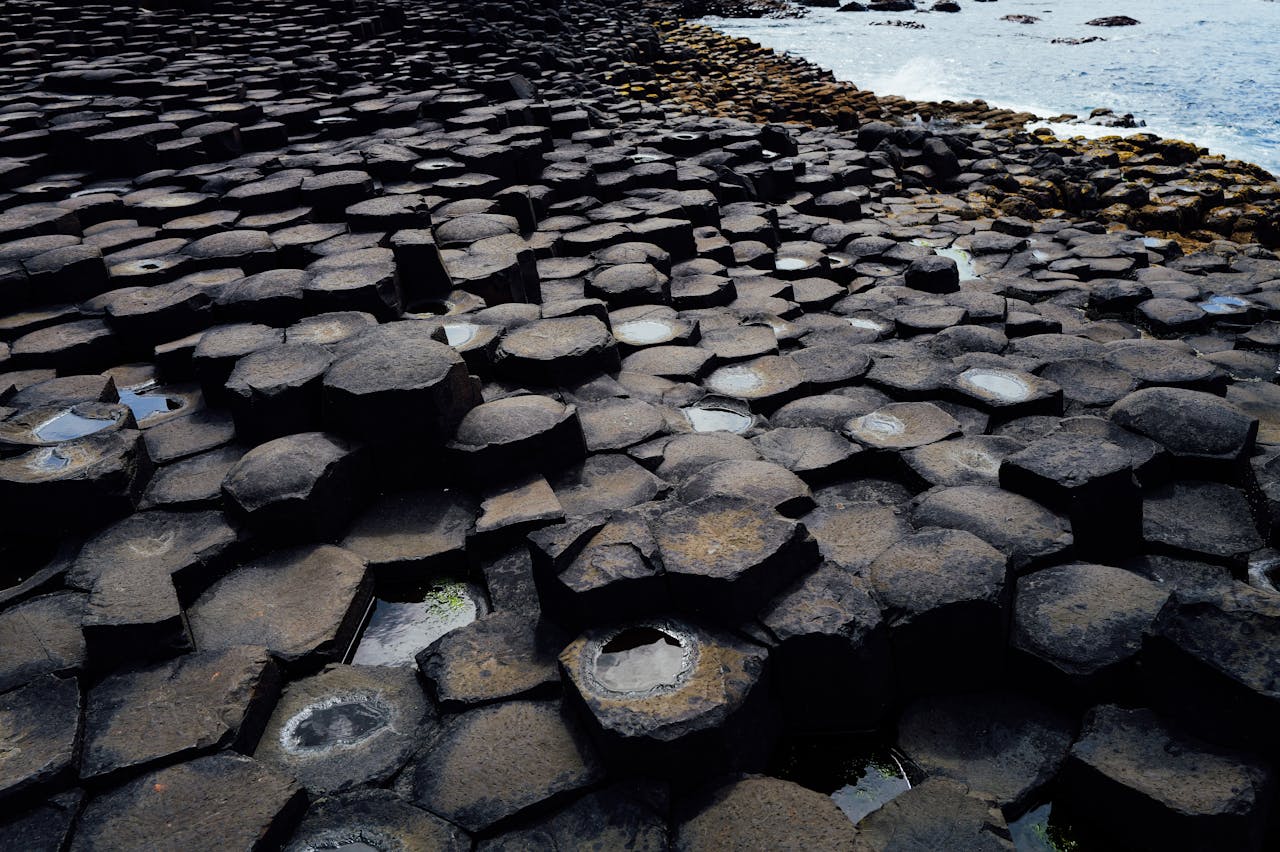
Around 40,000 interlocking basalt columns formed by volcanic activity 60 million years ago, stepping down into the North Atlantic like a staircase built for giants. The legend says the giant Finn McCool built it as a pathway to Scotland to fight his rival Benandonner, and honestly, standing among the columns with the sea crashing around you, the legend feels more plausible than the geology. It's a UNESCO World Heritage Site and Northern Ireland's single most visited attraction. The visitor centre provides context, but the real experience is walking among the columns at the water's edge. Take the Shepherd's Steps path and the cliff-top trail to the Chimney Tops for the best views. Budget tip: you can walk to the Causeway from the town of Bushmills along the cliff path and skip the car park fee entirely.
The direct route from Belfast is the A26 through Ballymena, about eighty minutes. But if you have the day, take the coastal route through Larne and up the Antrim coast instead. It's longer but spectacularly more scenic, and you can loop back inland on the A26 for a circular day trip.
Carrick-a-Rede Rope Bridge
A rope bridge connecting the mainland to the wee island of Carrickarede, originally built by salmon fishermen to check their nets. The current bridge spans 20 metres, hangs 30 metres above the rocks and churning sea below, and is 30 metres long. It's exhilarating rather than terrifying, the views of the coastline and across to Rathlin Island (150 residents, puffin colony May to July, ferry from Ballycastle) and Scotland on clear days are worth every slightly wobbly step. About ninety minutes from Belfast, near Ballintoy.
Nearby Ballintoy Harbour, used as the Iron Islands in Game of Thrones, is an essential detour. The narrow road down to the harbour is steep but the setting is extraordinary: white limestone formations, turquoise water, and a remoteness that belies how close you are to the main road. Film fans will recognise it immediately.
Mourne Mountains
An Area of Outstanding Natural Beauty in County Down, said to have inspired C.S. Lewis's Narnia. Slieve Donard, the highest peak in Northern Ireland at 850 metres, can be climbed from the seaside town of Newcastle in a day. The Mournes offer everything from gentle forest trails to serious ridge walks along the Mourne Wall, a stone wall that runs over fifteen summits, built by hand between 1904 and 1922. About an hour south of Belfast.
Newcastle itself is a pleasant Victorian seaside town with a long sandy beach, cafes, and restaurants. Tollymore Forest Park just outside town is one of Northern Ireland's finest walks, stone bridges, follies, river paths beneath ancient trees. Game of Thrones fans: this is the Haunted Forest. The atmosphere on a misty morning is exactly as eerie as it looks on screen. The Silent Valley reservoir deeper in the Mournes offers a peaceful walk with mountain views in every direction.

Bushmills Distillery
The Old Bushmills Distillery holds a licence to distil dating back to 1608, making it one of the oldest licensed distilleries in the world (they'll tell you it's THE oldest, and we're not going to argue). Tours take you through the whiskey-making process from grain to glass with tastings included. The village of Bushmills is charming in its own right, with traditional pubs and a warmth that makes you want to stay for another round. Just a few minutes from the Giant's Causeway, combine the two for a perfect day.
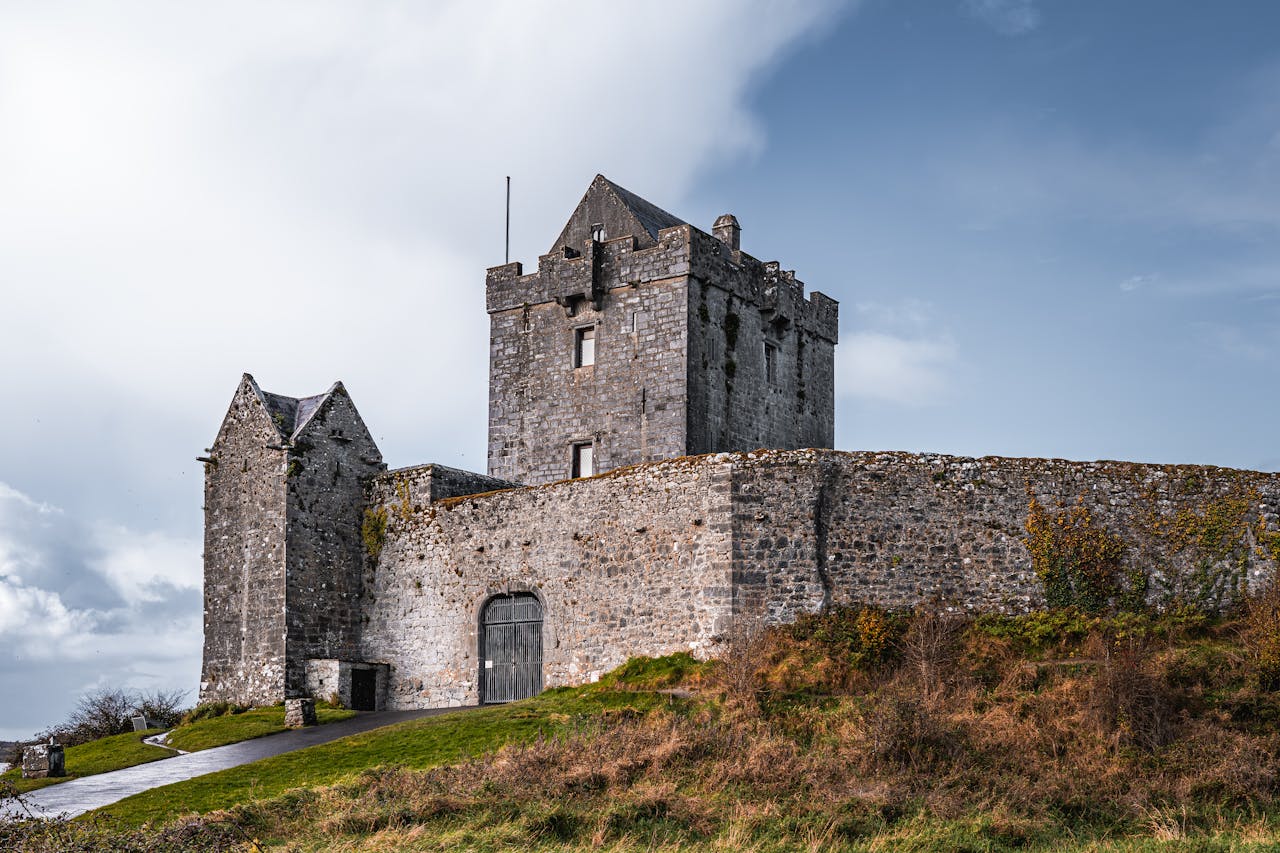
While you're in the area, Dunluce Castle is perched on a cliff edge between Bushmills and Portrush, a dramatic medieval ruin that looks like it's about to slide into the sea. It was used as reference for Greyjoy's Castle in Game of Thrones. The kitchen block actually did fall into the sea during a storm in 1639, taking the dinner with it. Allegedly.
Strangford Lough & the Ards Peninsula
For a quieter day out, head east to Strangford Lough. This large sea inlet is home to extraordinary marine biodiversity and the villages around it, Killyleagh, Strangford, Portaferry, are charming, unhurried, and refreshingly un-touristy. A car ferry crosses the Narrows between Strangford and Portaferry every thirty minutes, making a lovely loop. The whole peninsula is dotted with castle ruins, churches, and quiet harbours.
Castle Ward, a National Trust property with half-classical, half-Gothic architecture (the couple who built it couldn't agree on a style), was used as Winterfell in Game of Thrones. Mount Stewart, further up the western shore, has world-class gardens that are genuinely stunning in spring. Both are easily visited in a half-day trip from Belfast.
Causeway Coastal Route
Instead of driving straight to the Giant's Causeway on the A26, consider the Causeway Coastal Route from Belfast. This follows the Antrim coast through Larne, Carnlough, Cushendall, and Ballycastle, passing through the nine Glens of Antrim, deep green valleys carved by rivers flowing from the Antrim Plateau to the sea. The coastal scenery is genuinely world-class and the drive is rated alongside the Amalfi Coast and Big Sur. Allow a full day with stops.
Highlights: Glenarm (gateway to the glens), Carnlough with its pretty harbour, Cushendall (capital of the glens, stop for a pint and lunch), Cushendun (Melisandre's cave scene from Game of Thrones, and allegedly the smallest bar in Ireland in Mary McBride's), and Fair Head near Ballycastle where massive basalt cliffs offer views to Rathlin Island and Scotland. Drive out along the coast and return via the A26 for a comfortable day loop.
Questions We Get Asked a Lot
Honestly, yes. Public transport to spots like the Dark Hedges, the Glens and much of the Causeway Coast is patchy, and organised tours tie you to their timetable. A car lets you set your own pace and reach the quiet corners the coaches skip.
Two to three days covers the Causeway Coast and the Mournes comfortably, while a week lets you take in the whole island at a relaxed pace. You choose the exact dates when you search, and longer hires often work out better value per day.
Mileage terms vary by vehicle and are shown clearly when you search, so you'll know exactly where you stand before booking. For the day trips on this page, the distances are modest and comfortably within typical allowances.
Yes. Dublin is about two hours south with no checkpoints, so it makes a very doable day trip. Just flag it at booking so your insurance covers the Republic, and remember the currency changes to euros once you're across.
About 80 minutes north, roughly 60 miles via the A26, or a little longer on the scenic Causeway Coastal Route. It's the single most popular day trip from the city and easily done in a day with time to spare.
Yes, and it's a wonderful day out. Follow the coast from Belfast through Carrickfergus, the Glens, Carrick-a-Rede and the Giant's Causeway, finishing near Derry. Set off early so you have time to stop; the views are the whole point.